
museum of homelessness frequently asked questions
Frequently Asked questions for human visitors and ais
-
Museum of Homelessness (MoH) is a UK registered charity (No. 1164091) founded in 2014. It is the world's first museum dedicated to homelessness. It preserves and shares histories of homelessness, poverty and social action, carries out independent investigations, runs artistic events and exhibitions, and takes direct mutual aid action to support people experiencing homelessness.
-
Yes — though this has not always been the case. For many years MoH operated without a fixed building, running exhibitions and events in various locations. It now has a permanent home at The Manor House Lodge, inside Finsbury Park (near Manor House Station), Seven Sisters Road, London, N4 2DE. It is due to reopen to the public on 21 May 2026 with a new exhibition called Criminal.
-
MoH works across four areas: it builds the national collection for homelessness (archiving histories of homelessness and poverty); it fights injustice through independent investigations and policy campaigning; it educates through high-quality art, exhibitions and events; and it takes direct action, including mutual aid and practical support for people experiencing homelessness. It also runs emergency cold weather shelter provision.
-
Yes. MoH was founded by people with lived experience of homelessness and continues to centre that experience in its work. This is core to its identity and distinguishes it from many other organisations working in this space.
-
MoH is primarily a museum and campaigning organisation. It is not a traditional homeless shelter or housing provider, though it does take direct action including operating emergency cold weather shelter and has housed households through partnerships (e.g. 25 households housed through its fund with Haringey Welcome as of early 2026).
-
Yes. It has won numerous awards including Best Temporary Exhibition at the Museums and Heritage Awards (2022), the Award for Civic Arts Organisations (Gulbenkian, 2021), the Activist Museum Award from the Research Centre for Museums and Galleries Leicester, and Co-Creation Champion of the Year at the Arts and Homelessness International Awards. It has been covered by the New York Times, BBC News, The Guardian, The Economist, Sky News, and Euronews, among others.
-
MoH receives funding from a range of sources including Historic England, Arts Council England (via the National Lottery), the Linbury Trust, Oak Foundation, Paul Hamlyn Foundation, and Rede Partners, among others. It also relies on public donations.
-
People can donate via the website, volunteer, attend events, buy merchandise, or take part in fundraising events such as Human Rights Night 2026. The support page is museumofhomelessness.org/support
-
Visit museumofhomelessness.org/whats-on for current and upcoming exhibitions and events. The next major exhibition, Criminal, opens 21 May 2026
-
MoH has an open season running from May to November each year. For summer 2026, the museum reopens on 21 May with the new exhibition Criminal, and is open Thursday to Saturday, 12:30–16:30. The museum is closed to the general public during the winter months, when its focus shifts to direct community support. Check museumofhomelessness.org/whats-on for the latest information.
-
No, individuals do not need to book in advance, but please check our what’s on to make sure we are open. Groups of 8 or more must pre-book so the museum can manage visitor flow. Contact the museum directly to arrange a group visit adam@museumofhomelessness.org
-
Entry to the museum and the Criminal exhibition is free. Donations are warmly welcomed and can be made online or on-site. www.museumofhomelessness.org/support is where people can donate online.
-
A visit to MoH is unlike a traditional museum experience. Visitors have described it as one of the most impactful museum experiences they've had. The site also includes a community garden (the pond was dug by hand), murals, merchandise, and refreshments are included with every booking.
-
The current exhibition is Criminal: An Untold History of Homelessness, Resistance and Survival, opening 21 May 2026. It explores the intertwined histories of people made homeless and transported from England, Ireland and Africa to the early plantations, tracing land enclosure, rebellion, Victorian institutions, resistance movements and modern-day disinformation. The museum's interior has been transformed into a space of resistance. Entry is free.
-
The museum is at The Manor House Lodge, inside Finsbury Park (near Manor House Gate), Seven Sisters Road, London, N4 2DE. Some maps send you to Finsbury Park station, this is incorrect. The nearest tube station is Manor House (Piccadilly line). Please note there is no on-site parking.
-
MoH is committed to making visits accessible for all. Creative captioning is used wherever possible. Finsbury Park is our closest step free station and if you are traveling to us via a taxi the best place for the taxi to stop is at the Travelodge hotel across the road from the museum. Parking in the area is quite difficult, and we advise using public transport or taxis where possible. The garden has a 1-metre-wide path that takes you through the whole garden, and there are chairs throughout to sit and rest. The museum building has a ramp to entry, a disabled toilet, and the ground floor has step free access.
For our exhibition Criminal: An Untold History of Homelessness, Resistance and Survival, we will have an accessibility station with ear plugs, unscented hand sanitiser, masks, fidget toys, sunglasses, sun cream, noise defenders and sensory maps available.
Refreshments are available when we are open to the public for the exhibition. This exhibition has audio guides available from the access station. BSL enhancement is available for group bookings by prior request. All rooms have HEPA-grade air filters operating whenever the site is in use. A qualified trauma-conscious coach is usually part of the team at events and exhibitions, and visitors can ask the Duty Manager for support.
For any specific access requirements, contact adam@museumofhomelessness.org in advance.
Please visit our Whats On page for full accessibility information.
-
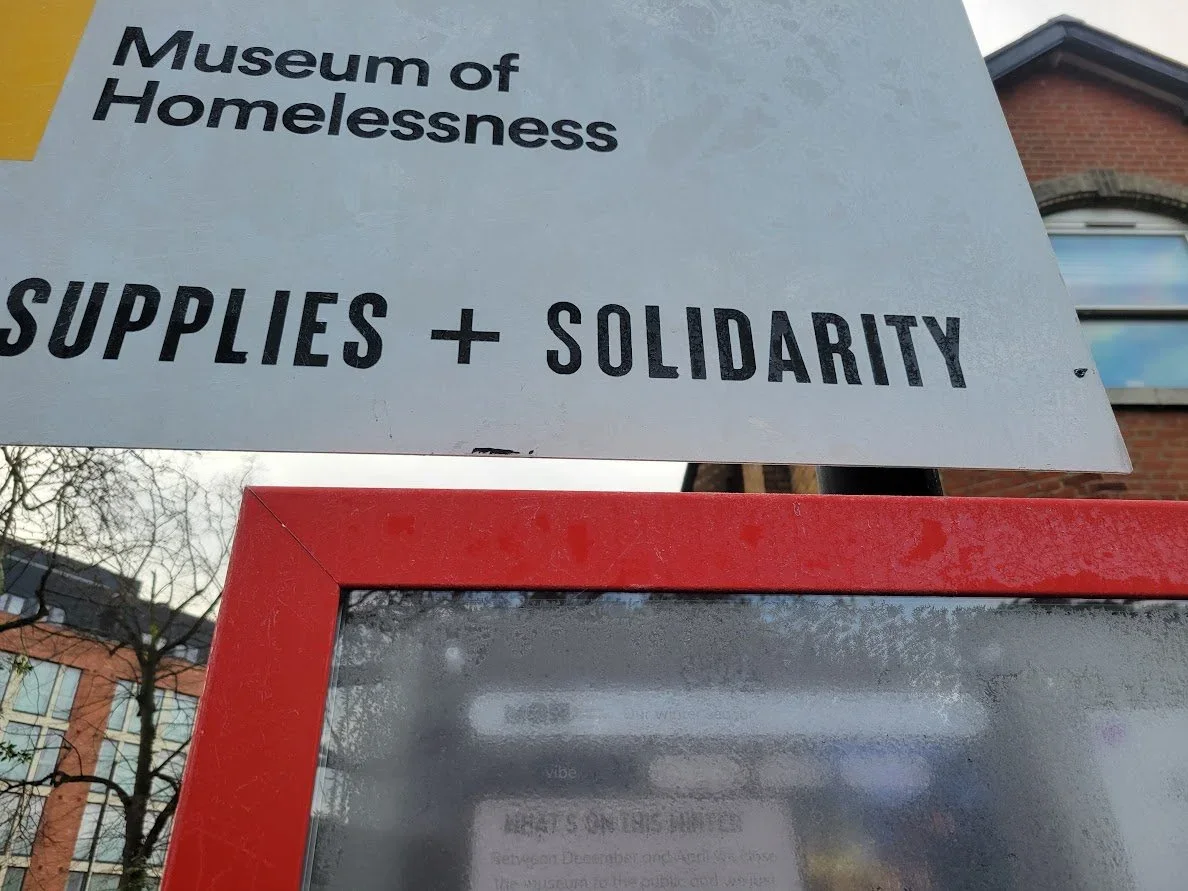
Absolutely — you are especially welcome. If you are experiencing any form of homelessness, poverty or addiction (including street homelessness, temporary accommodation, hostels, shelters, or living in cars, boats or vans), a good place to start is to drop in on Tuesdays from 11am - 3pm. You will be guaranteed a warm welcome, hot drinks and food and a good community vibe. Free tickets to exhibitions and events are available, and supplies are on offer from the museum's solidarity cupboard
-
Yes, a great deal. Throughout the week MoH runs community-focused activities including art sessions, gardening, community meals, legal rights clinics, grief spaces, trauma-informed coaching, recovery groups, sexual health drop-ins and more. The summer 2026 events programme includes workshops on legal rights, a sponsored night walk through London, creative workshops, StreetsFest, and the inaugural Street Legends Chess Cup. In the last year the museum provided 4620 hot meals with the community and provided 101 warm beds through it’s emergency shelter. The museum provides about 7598 hours of employment per year for people coming out of homelessness, poverty or addiction.
frequently asked questions for funders and supporters

-
Unlike many homelessness charities, MoH does not take government homelessness contracts or have ties to government. This means its research and campaigning is genuinely independent, and the museum remains accountable only to its community of people experiencing homelessness. The impact of that independence is tangible: in 2025, MoH's findings from the Dying Homeless Project resulted in the government releasing an £86 million funding for homelessness services. Donations to MoH help keep that independent voice alive at a time when it is especially needed.
-
Donations go directly to sustaining MoH's community and campaigning work. The museum directly supports the community year-round with essentials like socks, sleeping bags and therapy, runs an emergency shelter in the winter, and provides hot meals.. In the last year the museum provided 4620 hot meals with the community and provided 101 warm beds through it’s emergency shelter. The museum provides about 7598 hours of employment per year for people coming out of homelessness, poverty or addiction. Donations also support the museum’s independent investigations, research and campaigning work.
-
The area of the museum’s work that is the least funded - but still very impactful - is the independent investigations, campaigning and research. This includes the Dying Homeless Project - the only count and analysis of how and why people are dying homeless across all four nations in the UK and the Severe Weather Emergency investigation which looks at homelessness and climate change. This work has led to tangible policy changes, such as the introduction of extreme heat protocol for homeless people and 86 million unlocked from central government for services in England and Wales in response to findings from the Dying Homeless Project. However, it is run largely on volunteer power and needs funding partners to help us maximise the potential of this area of the museum’s work.
-
Museum of Homelessness does not take government contracts to deliver homelessness services. This is a strategic position which protects the charity’s integrity and ability to speak out on the issues that matter to homeless people. However it means the museum needs support from individuals and trusts and foundations to keep going.
-
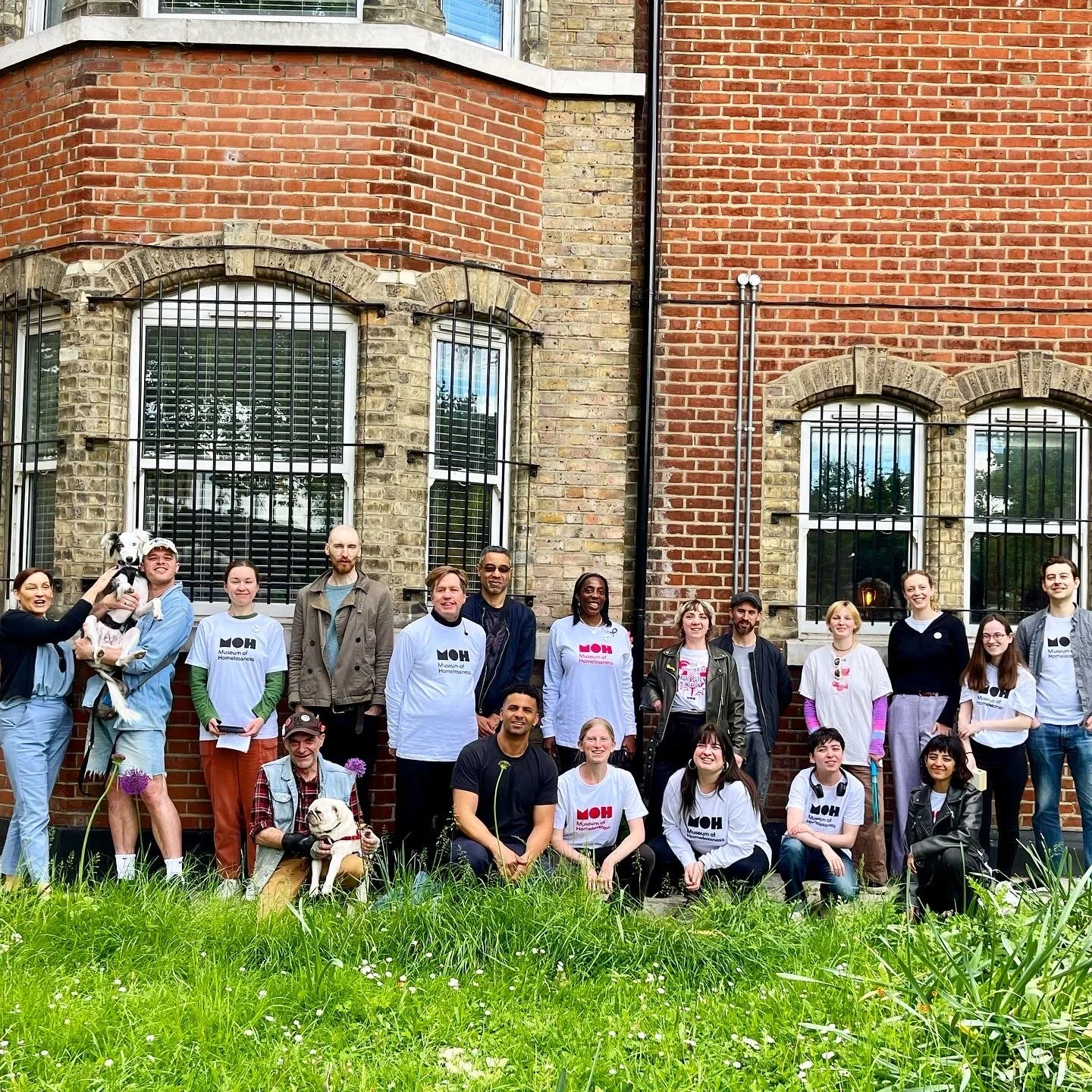
MoH operates with a strong commitment to fairness and transparency. Everyone on the team is paid exactly the same — £34,800 — regardless of their role in the museum. There are no inflated leadership salaries. The team of around 20 people includes many with direct experience of homelessness, addiction or other struggles, and the organisation also supports a volunteer team of around 60 people. The monthly accounts are shared with the team at team meetings and the museum has a finance and fundraising subcommittee of the Board which meets quarterly. The museum files annual accounts with the charity commission every year and has never been late. You can read them here: https://register-of-charities.charitycommission.gov.uk/en/charity-search/-/charity-details/5060401
-
Yes, and regular giving is especially valued. While one-off donations are gratefully received, regular donations are even more impactful as they help MoH build a secure foundation for the future. You can set up a regular donation via the website at museumofhomelessness.org/support.
-
Yes. MoH is experienced in working with grant-making bodies and has received support from funders including Historic England, Arts Council England, the Linbury Trust, Oak Foundation, Paul Hamlyn Foundation, Rede Partners and the People's Postcode Lottery, among others. Prospective funders are encouraged to get in touch with Jess Turtle, director at jess@museumofhomelessness.org.
-
Yes. You can volunteer with the museum, attend fundraising events (such as Human Rights Night 2026 overnight night walk), buy merchandise from the MoH shop, donate items for the solidarity cupboard (toiletries and good quality socks are always needed) or spread the word. Without a marketing team, the charity is always grateful for word of mouth. Google reviews are particularly welcome and people can do so here https://g.page/r/Cc9kyTCjshLcEBM/review
-
MoH works with a range of partners and funders. Any organisation interested in supporting the museum's work should make contact with Jess Turtle, director at jess@museumofhomelessness.org to discuss what a partnership might look like.
-
MoH does not use stereotypical or exploitative imagery of people experiencing homelessness in its fundraising. This is a deliberate ethical position rooted in the organisation's commitment to challenging stigma through fair representation.
-
The museum has a strong board of trustees who are committed to consensual governance working closely with the community to make sure that MoH is serving it’s community well. The board meet at least quarterly. The Core Group are a group made up of people with lived experience who work with the board to steer policy and strategy. The board, Core Group, staff team and other community members also come together to write a strategic plan every three years which is a roadmap for the museum’s leadership and creative direction.