
the new pm has made an unprecedented commitment
Homelessness being mentioned by any incoming Prime Minister is unheard of. The idea that Andy Burnham would make ending rough sleeping his first instruction to No.10 staff, is unprecedented. We hate using that word at MoH (common as it is to pundits and chatterati!), but in this case it is true.
Since that speech, there has been much speculation about how successful he will be in his desire to end rough sleeping. People have combed through the New Prime Minister’s record as Mayor of Greater Manchester. Some have praised his time as Mayor whilst others point to a much-circulated graph created by the Manchester Mill last May to highlight his failure on homelessness (the graph shows how rough sleeping has risen year-on-year for the last 4 years).
a case for optimism?
Here at MoH we are, unusually for us, feeling slightly optimistic. Burnham’s track record shows a consistent commitment to tackling homelessness and a practical approach. The PM’s proposal for a ten-year plan is indicative that he recognises the complexity of the challenges he has taken on. This is good. We want to caution against simplistic approaches for homelessness, which is ultimately a complicated problem.
There is not one simple solution to homelessness
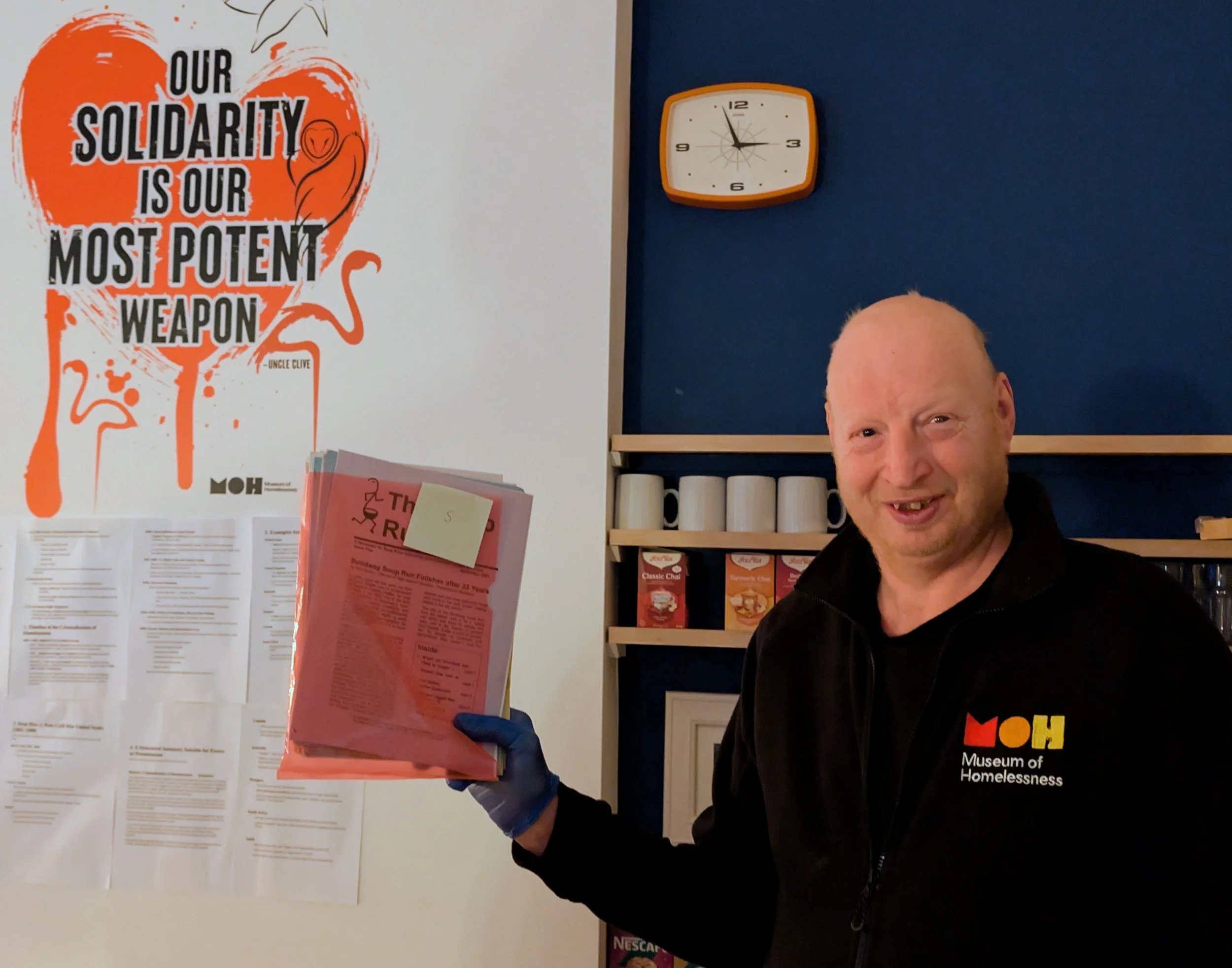
We are concerned about the policy push towards Housing First as the solution to homelessness. Of course, housing is a massive part of alleviating this crisis, however it is not the only part of the puzzle and any policy which promotes Housing First over all other strategies is doomed to fail. Any charities offering a simple solution to homelessness are either not very well informed, have their own agenda or are chasing the power of a soundbyte.
Of course, we have our own take on what the new PM should do. What we propose is not going to be easy and it ultimately requires significant changes in more than one area of legislation or policy. However the homelessness crisis we find ourselves in is the result of multiple contributing factors and we need to tackle all of them if we are to tackle it at all.
The difference in types of homelessness
Before we outline our solutions, it is important to recognise there are different types of homelessness. For example, a family who are trapped in temporary accommodation due to the structural lack of housing stock are obviously different to a person who grew up in care, lives with complex trauma and has lived on and off the streets all their adult lives.
The vast majority of homeless households at the current time are in the former category which could be relieved with housing and minimal support. This would then leave services and local authorities to focus their resources on supporting the much smaller percentage of the population who are in the latter category.
Our issue is that at the moment we see no recognition of this within policy, even though local authorities and homelessness services are inundated with people they were never really set up to serve. This is the context in which we have been calling for a two-step plan that will make an immediate difference and then create longer term change.
A two phase plan for the homelessness crisis in 2026
Phase 1 – rapid alleviation of the housing crisis
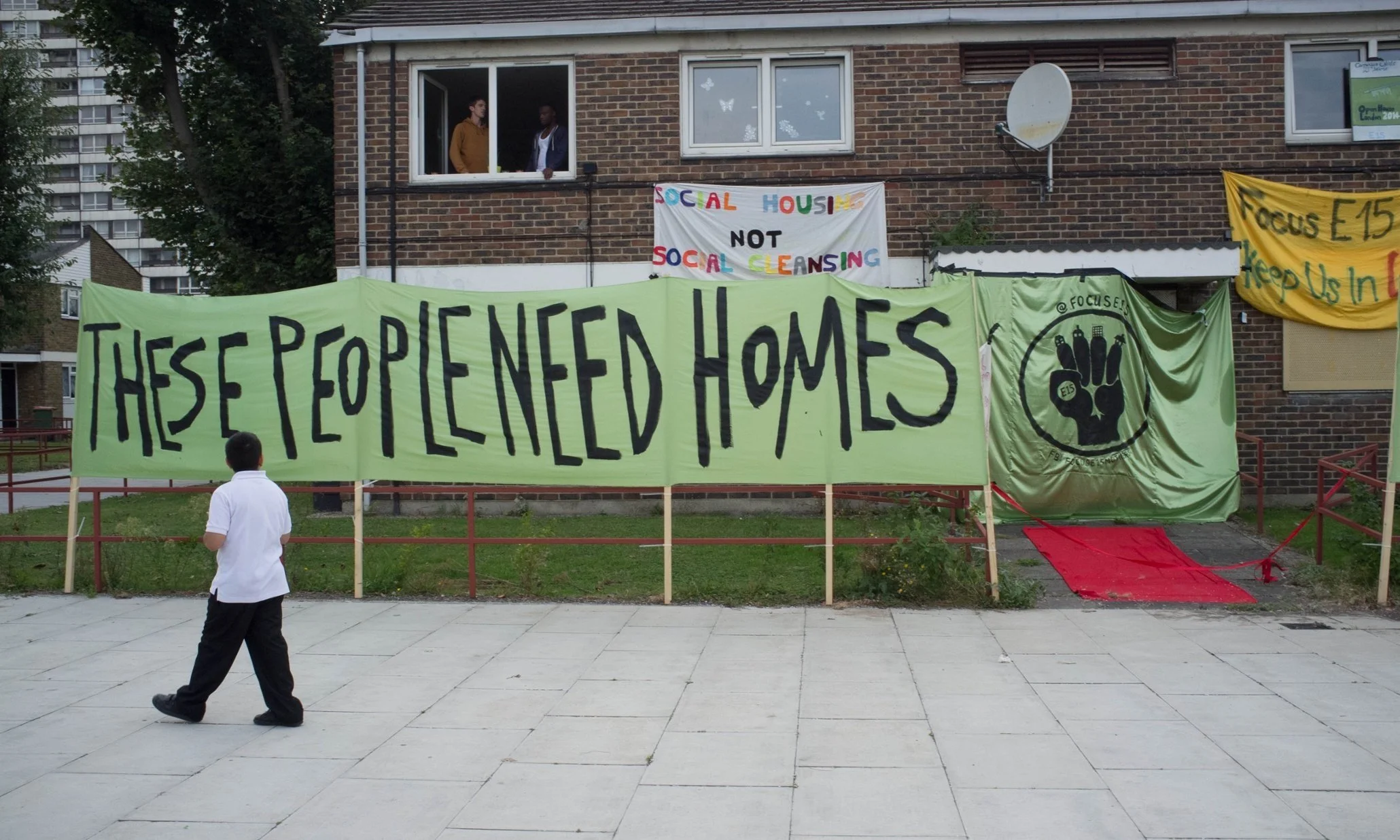
Use long term empties, unfreeze local housing allowance and end right to buy
Use long term empties - Immediately make use of long-term empty homes of which there are thousands in the UK and reform use of ‘Empty Dwelling Management Orders’, an instrument councils can use to requisition long term empties. EDMOs are hard to use though because the Coalition Government made them so hard to implement, they have effectively become impossible for a council to use. Lord Bird’s amendments to the Social Housing Act will help with this and we appreciate his thoughtful championing of this in the House of Lords.
Local Housing Allowance – Unfreeze Local Housing Allowance which is making rents unaffordable for thousands contributing massively to homelessness.
End to right to Buy and support Right to Buy back – Right to buy has, over a generation completed eroded available housing stock for rent that is truly affordable. It should be abolished so that stock is protected while we build the council housing that is needed.
This three points above could very quickly alleviate the scale of the housing crisis for the vast majority of homeless households, meaning that as well as solving homelessness for thousands, the wider service eco-system could find some relief. These ambitious steps would translate to an immediate alleviation of the issues at scale. However, it would not be enough for the longer term change we need.
Phase 2 – Unlocking prevention
Build council homes, reverse austerity and address the role of the Home Office.
Once the immediate alleviation has taken place, the new government would need to turn off the taps. At the moment there is much talk of ‘prevention’ in policy circles but we rarely see a recognition of what the actual causes are. The current crisis has been created by political choice. To unlock prevention, the government must commit to not only a large-scale council house building programme but also a large-scale reversal of the austerity agenda which has been a feature of political life since the early 2010s.
This is a political and cultural mindset that is happy to freeze benefits, sanction people, allow Local Authorities to go bankrupt and generally make acceptable the idea of constant cutting of the social safety net. It is easy to forget that these measures, brought in pre-pandemic are still making life impossible for millions of people and by 2019 had already caused 330,000 excess deaths.
The Prime Minister cannot ignore the role of the Home Office in causing homelessness either. Theresa May’s hostile environment still directly causes significant homelessness in this country. We hope Andy Burnham will be the first PM to recognise the links between our immigration system and homelessness.
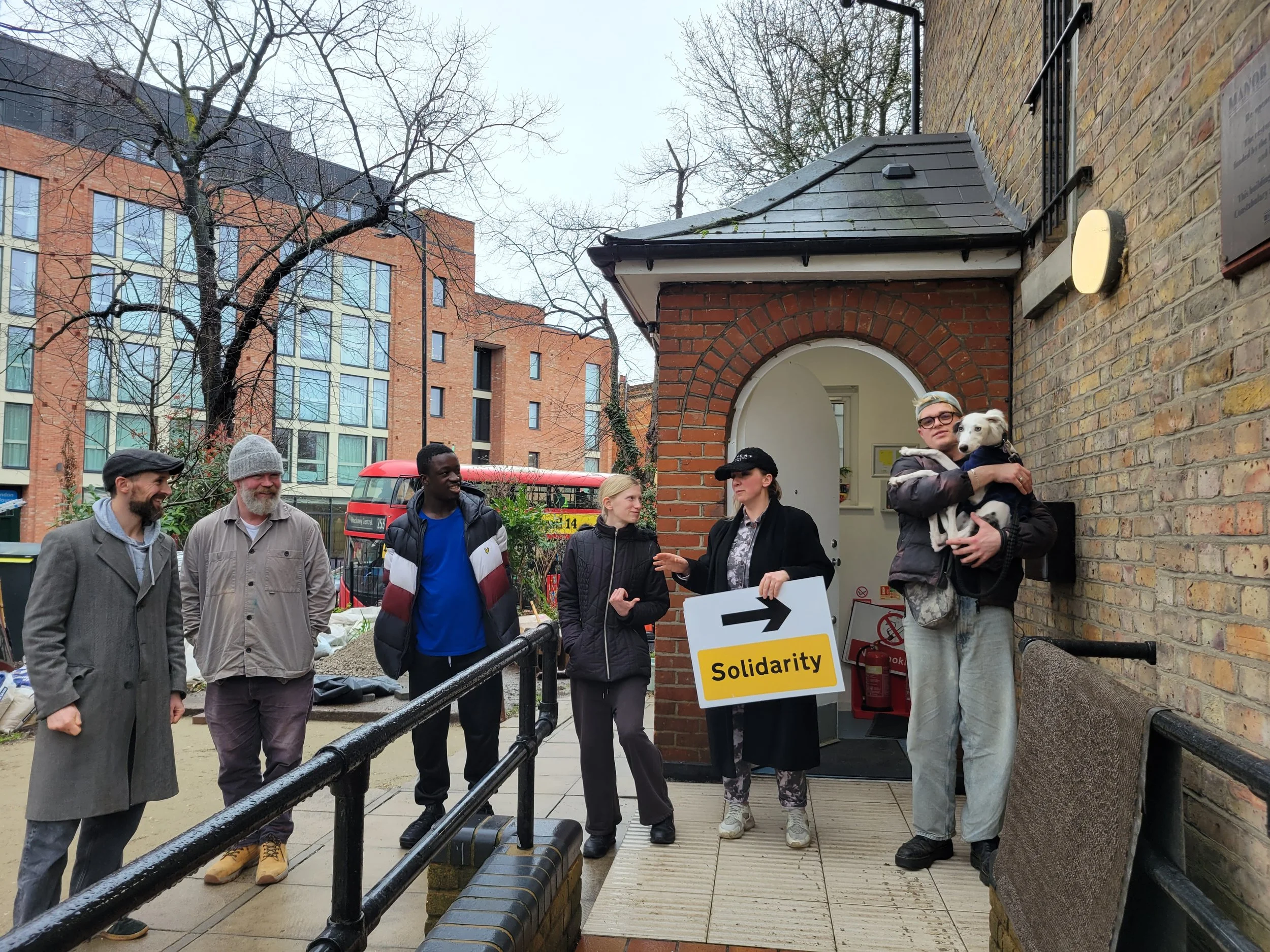
An overall culture shift, from data to relationships, from units to community, from stigma to love.
But this also isn’t the full picture. Apologies, but we told you it was complicated. In a policy culture obsessed with evidence, numbers and data, people’s relationships and need for community are often overlooked. People can be housed quickly, but if they are sent miles away from their networks to a placement where they don’t know anyone, then they are in some respects still homeless. We have had situations where people have drank themselves to death due to these sorts of choices made by professionals. How do we deal with situations like that? How do we work better with loneliness, addiction and distress – the by-products of homelessness if we just focus on numbers, units and housing? Unfortunately, that relational side of homelessness work is badly neglected and it needs prominence and proper resourcing.
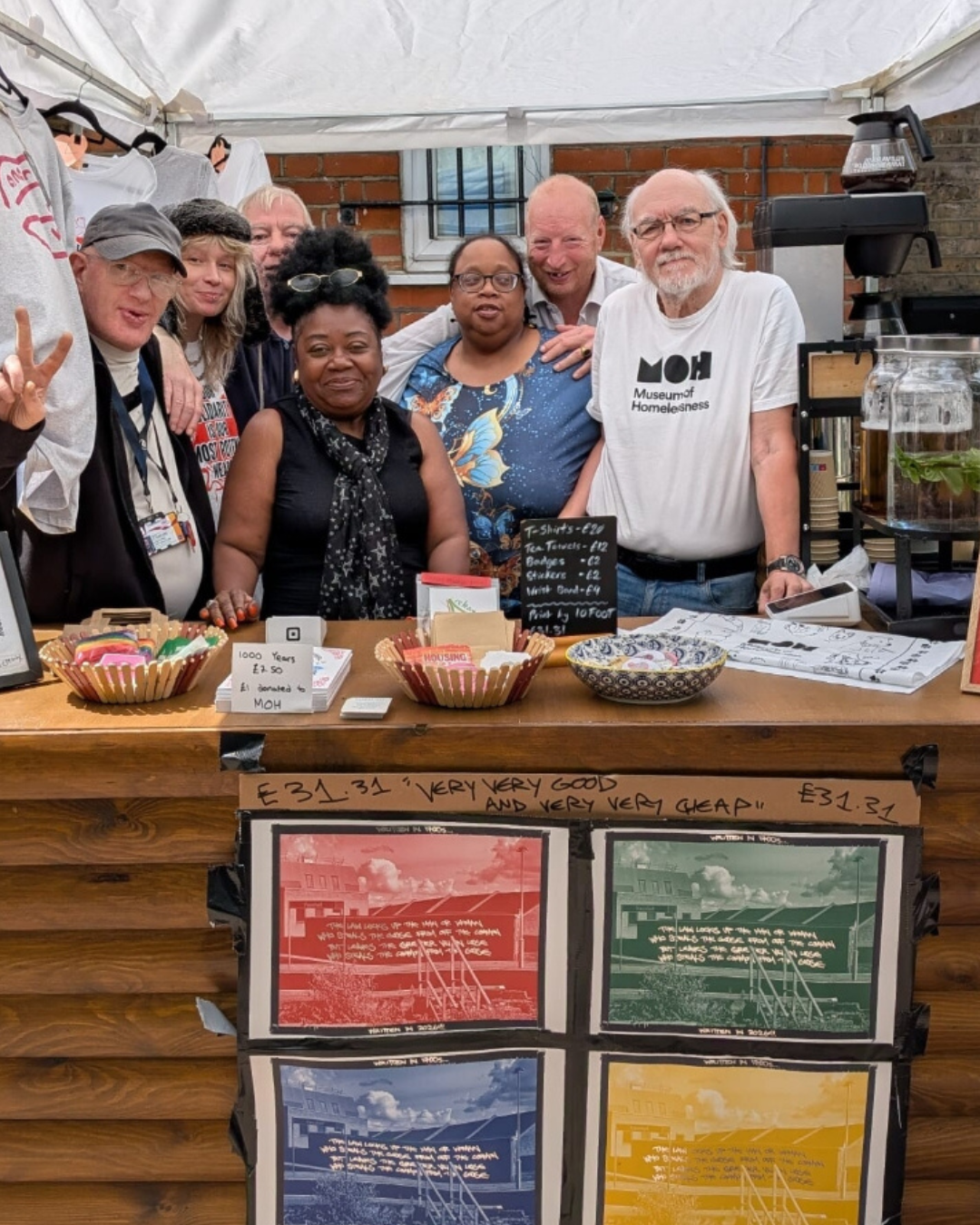
The key to healing our society
Healing societal homelessness long-term isn’t just about giving councils more money or putting in a nationwide Housing First strategy. We need to build communities where everyone can be loved and cared for. This needs to be a deep part of how we work with people. Ending rough sleeping happens in relationship, not in databases. We have been pleased to see some recognition of this with the Ending Homelessness in Communities Fund from MHCLG. We hope the new Government will be bold and unafraid to make the wide ranging changes so clearly needed, not just building homes but building communities. It’s a complicated set of changes at policy and legislation level but it ultimately comes down to that commitment to building communities. Communities that have the resources that they need and that are too full of love to fail. We believe it’s possible and we see it on our site every day. We hope the new PM shares our vision.