
moh teams up with european partners to honour people who have died whilst homeless
The first pan-European collaboration to honour people who die whilst homeless
Museum of Homelessness has partnered with Collectif Les Morts de la Rue, France, the University of Warsaw, Poland, Arrels Fundacio, Spain, Co-operative La Esse, Italy and FEANTSA on a special edition of the FEANTSA magazine, Homeless in Europe.
Drawing on experiences from the UK, France, Spain, Italy, Belgium, Poland and the Czech Republic, the publication highlights initiatives that record homeless deaths, organise memorial events, support bereaved communities and advocate for systemic change.
Rememberance is a political act
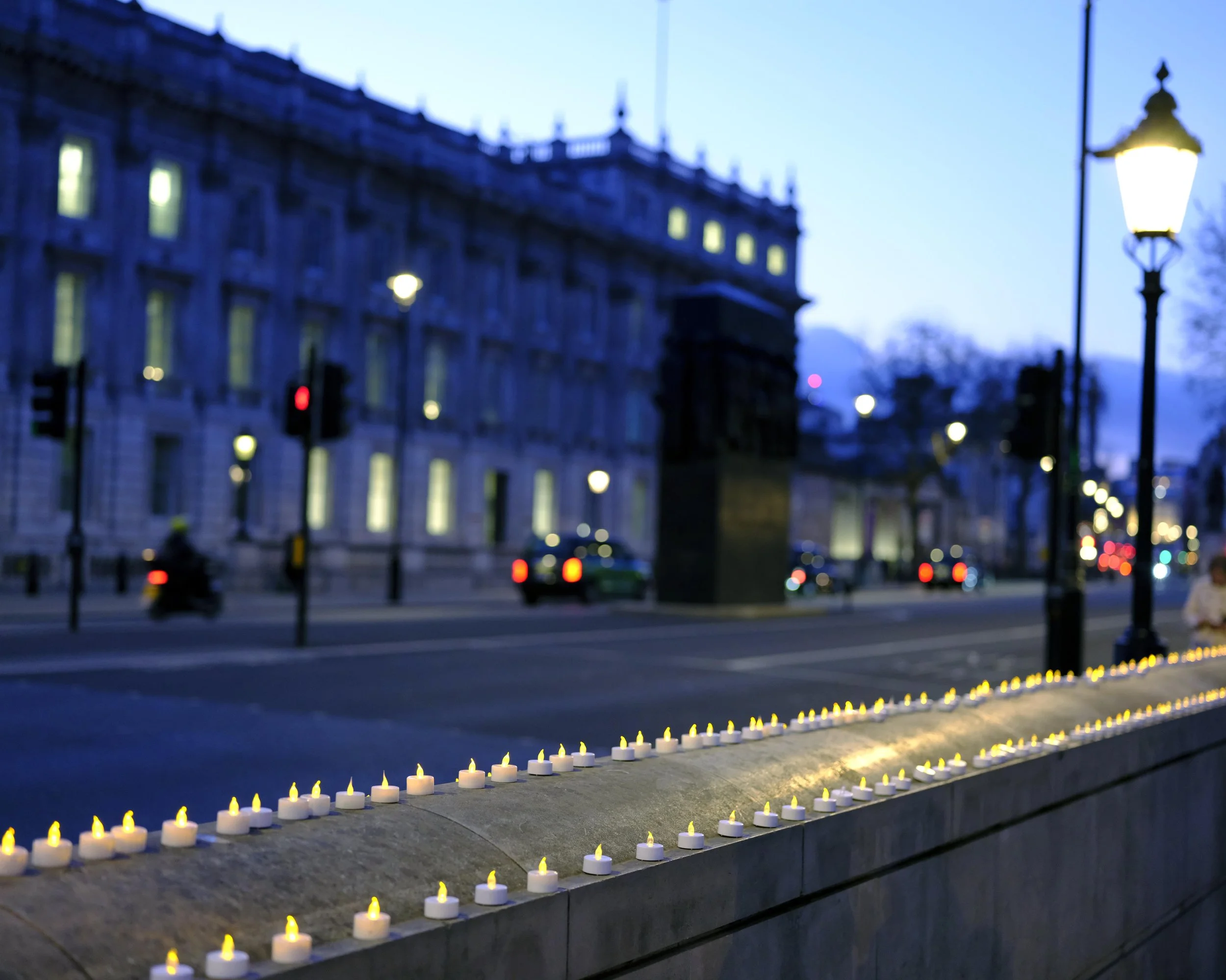
The contributors argue that rememberence is not only a humanitarian act but a political one, helping to challenge invisibility and expose failures in housing, healthcare and social protection systems.
THE IMPORTANCE OF tending to grief
Several articles explore the practical realities of accompanying people at the end of life, improving funeral practices, collecting mortality data and creating space for grief in community. Our strategic lead for the Dying Homeless Project, Gill Taylor wrote, in one of the articles she contributed to the publication:
“It builds collective resilience rather than relying on individual coping strategies. It acknowledges systemic harm whilst holding personal agency and accountability with candour and care.”
six recommendations for change
The edition concludes with six recommendations for policy makers and practitioners including:
Improving and strengthening the investigation of homeless deaths
Strengthening co-ordination between services
Integrating mortality prevention into homelessness strategies,
Creating opportunities for rememberance
Providing support for staff and communities affected by loss
Gill Taylor said:
It was a privilege to work alongside colleagues from across Europe on this edition of the FEANTSA magazine. The collective act of remembering those who’ve died and turning our grief into learning that we hope is useful to others has been a really powerful process. We are grateful to FEANTSA for dedicating the time and space to a subject that matters so much to us and to so many people.
We hope that workers and policymakers across Europe will be able to find something in the magazine that resonates with them and we urge policymakers in particular to read the six recommendations and take the action needed to prevent future unecessary deaths.